Your First Day on the Water: What to Expect from a Basic Sailing Course
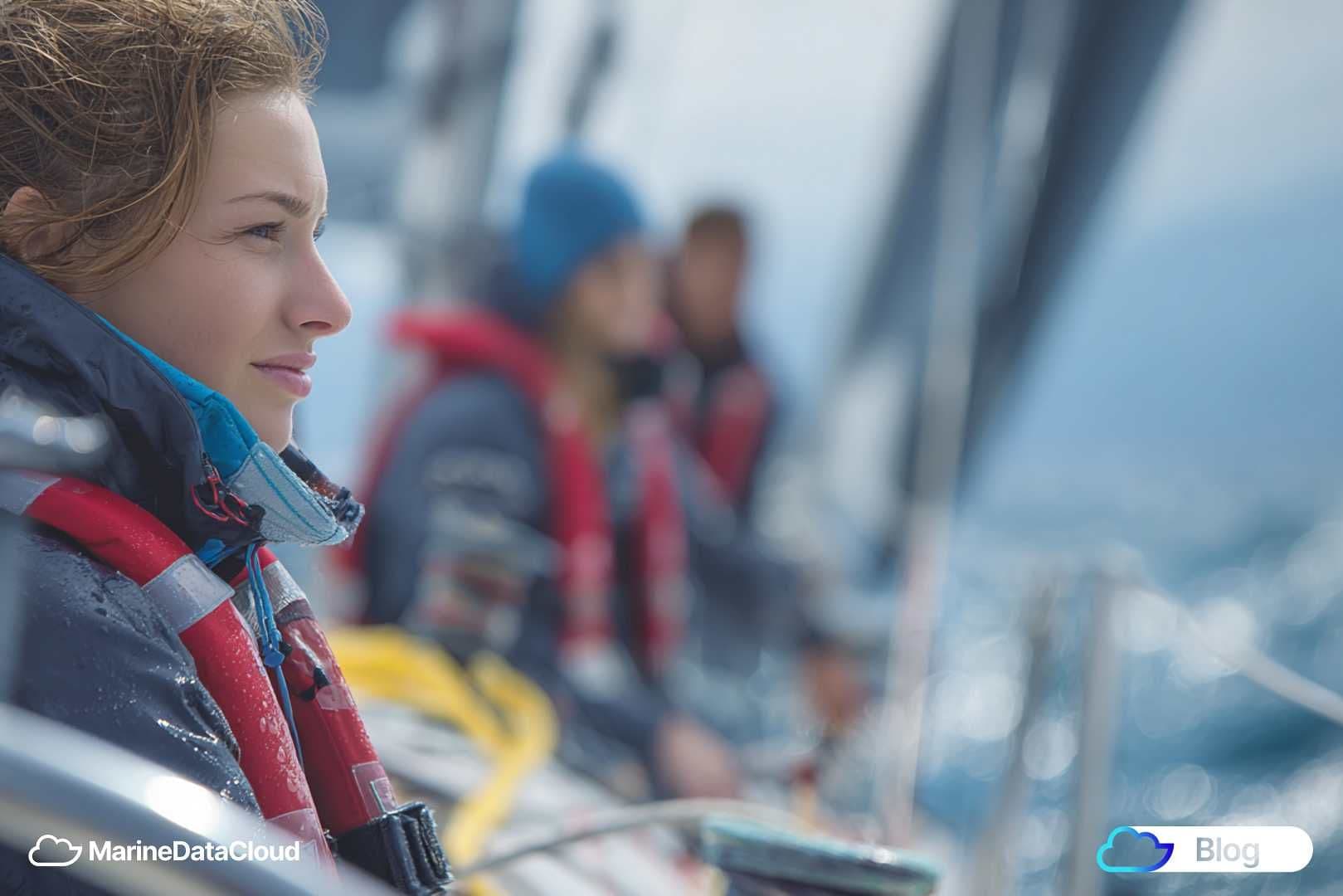
Embarking on Your Maiden Voyage: A First-Timer's Sailing Course Experience
Your first sailing lesson is the gateway to a world where wind becomes your engine and the horizon your destination. Whether you've dreamt of gliding across sparkling waters or navigating distant shores, that initial day on the water transforms sailing from a romantic notion into tangible skill and profound connection with the sea.
What Awaits You in Your First Sailing Lesson
Shore-Based Foundation Building
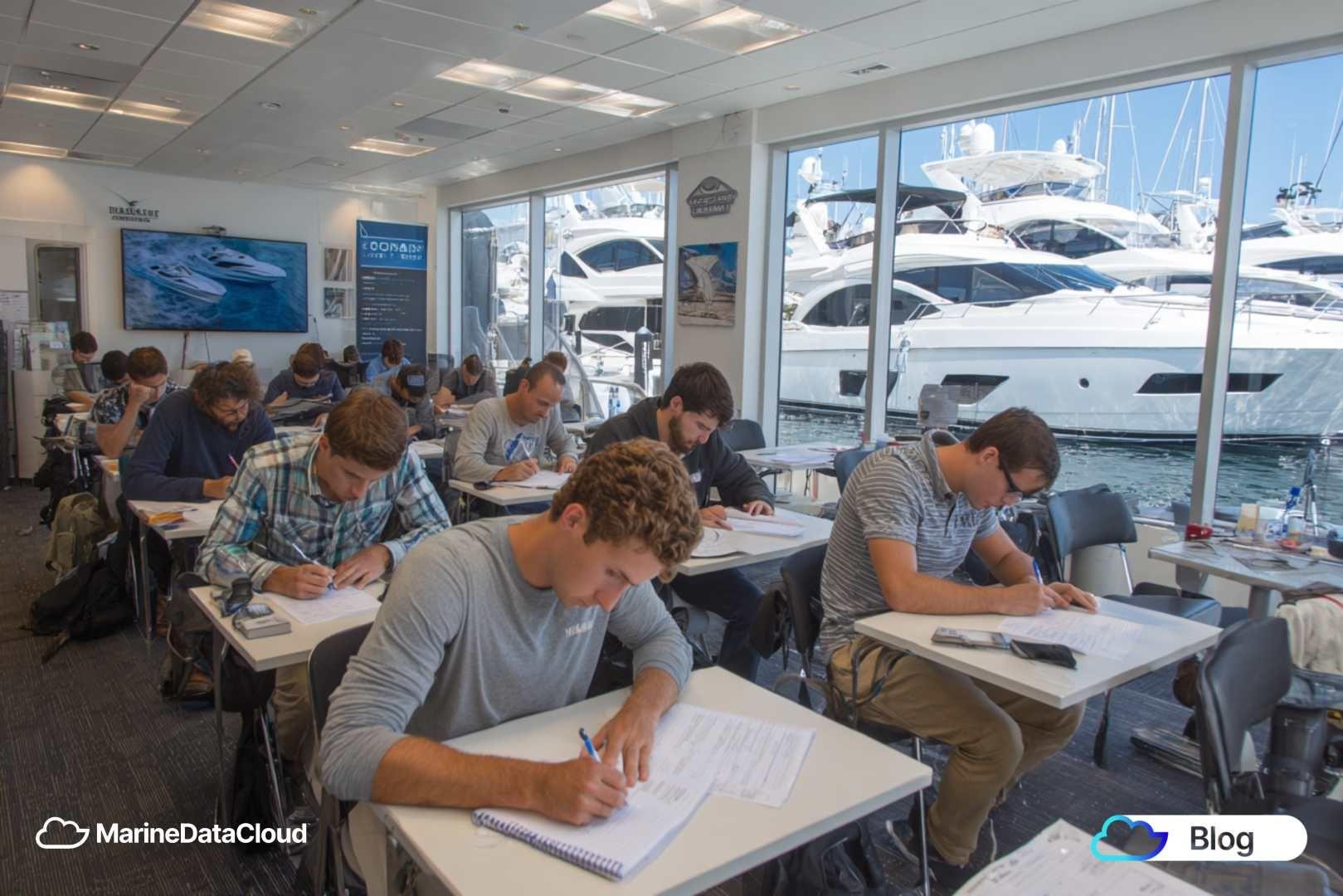
Your sailing adventure begins on dry land, where you'll master the maritime vocabulary that forms the backbone of seamanship. Terms like "port" (left side), "starboard" (right side), "bow" (front), and "stern" (rear) will become second nature. This theoretical foundation includes understanding wind patterns, sail mechanics, and basic navigation principles.
Most introductory courses span 4-6 hours, providing ample time to absorb knowledge, practise techniques, and experience several exhilarating runs across the water. Your instructor will explain how sails harness wind power, transforming natural forces into forward motion through the art of sail trim.
Hands-On Boat Preparation
Learning to "rig" your vessel marks your transition from observer to participant. You'll master essential knots, understand rigging components, and discover how each element contributes to sailing performance. This practical experience builds confidence whilst establishing crucial safety awareness.
Essential Water Skills Development
Once afloat, you'll learn fundamental manoeuvres including tacking (turning through the wind), gybing (turning away from the wind), and docking procedures. These core techniques form the foundation of all sailing adventures, regardless of vessel size or destination.
Dressing for Success: Your Sailing Wardrobe
Layer Strategy for Changing Conditions
Maritime weather can shift rapidly, making layered clothing essential for comfort and safety. Begin with moisture-wicking base layers, add insulating mid-layers, and top with waterproof outer shells when conditions demand. This system allows quick adjustments as temperatures and wind patterns change throughout your lesson.
Essential Safety Equipment
A properly fitted life jacket remains non-negotiable for sailors of all experience levels. Your sailing school will provide this critical safety equipment, but ensure it fits snugly without restricting movement. Quality life jackets offer both protection and comfort during extended water activities.
Practical Footwear and Accessories
Non-slip deck shoes with good grip prevent accidents on wet surfaces, whilst polarised sunglasses protect your eyes from water glare. Bring a waterproof jacket and sturdy trousers as backup protection against unexpected weather changes. A cap provides sun protection during summer lessons, whilst warm headwear becomes essential in cooler seasons.
Selecting Your Sailing School: Quality Indicators
Instructor Credentials and Certification
Reputable sailing schools employ instructors certified by recognised organisations such as the Royal Yachting Association (RYA) or US Sailing. These certifications ensure your instructor possesses both technical expertise and proven teaching ability. Quality instructors combine maritime knowledge with effective communication skills, creating engaging learning environments.
Teaching Methodology and Equipment Standards
Exceptional sailing schools employ multi-sensory teaching approaches incorporating visual, auditory, and hands-on learning methods. Modern training fleets, well-maintained equipment, and comprehensive safety protocols indicate professional operations committed to student success.
Course Structure and Duration
Longer courses typically provide better value and deeper learning experiences. Look for schools offering structured progressions from basic boat handling through advanced sailing techniques. Extended contact hours allow proper skill development and confidence building under professional supervision.
Summary: Your Sailing Journey Begins
Your first sailing course demystifies the ancient art of harnessing wind and water, transforming nervous anticipation into genuine competence and enthusiasm. Through proper preparation, appropriate clothing choices, and careful school selection, you'll establish the foundation for lifelong sailing adventures.
The combination of theoretical knowledge, practical skills, and safety awareness gained during your initial lesson provides the platform for future maritime exploration. Remember that sailing proficiency develops through continued practice and progressive learning—your first course merely opens the door to endless possibilities on the water.
Whether your sailing aspirations include peaceful lake cruising, coastal exploration, or ocean passage-making, that first day on the water represents the crucial first step toward maritime independence and the incomparable freedom that comes from understanding how to dance with the wind.