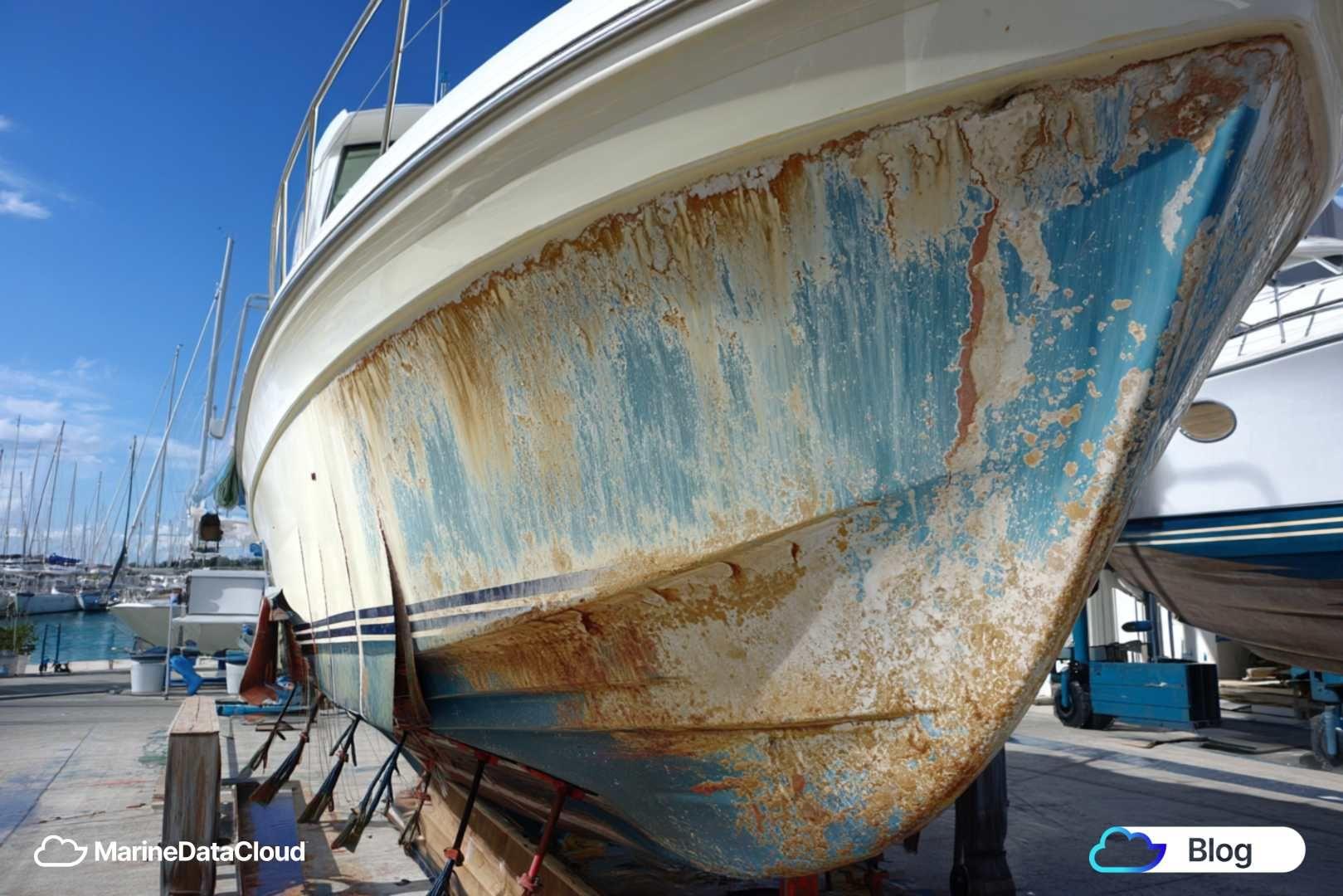
Safety First: Your Essential Pre-Departure Safety Checklist
Safety First: Your Essential Pre-Departure Safety Checklist
Every seasoned mariner knows that proper preparation separates a memorable voyage from a potential disaster. A comprehensive pre-departure safety checklist serves as your first line of defence against maritime emergencies, ensuring you're equipped to handle whatever challenges the waters may present.
Essential Safety Equipment Requirements
Personal Flotation Devices (PFDs)
Life jackets remain the most critical safety equipment aboard any vessel. Federal regulations mandate sufficient Coast Guard-approved PFDs for every person on board, with specific requirements varying by vessel size and type. Modern life jackets come in various styles, from traditional foam-filled vests to inflatable designs that offer greater comfort during extended voyages. Ensure all PFDs are in serviceable condition, properly sized, and easily accessible.
Visual Distress Signals
Flares and other visual distress signals are legally required equipment for most recreational vessels. Your distress signal inventory should include both day and night signals: aerial flares, handheld flares, smoke signals, and distress flags. Check expiration dates regularly, as expired flares may fail when you need them most. Store signals in a waterproof container within easy reach of the helm station.
Fire Safety Equipment
Marine fire extinguishers must meet specific Coast Guard standards and undergo regular inspections. The type and number required depend on your vessel's size and configuration. Position extinguishers strategically throughout the boat, particularly near the galley, engine compartment, and fuel systems. Ensure all crew members know their locations and proper operation procedures.
Medical Preparedness
First Aid Kit Essentials
A well-stocked marine first aid kit goes beyond basic bandages and antiseptics. Essential contents include triangular bandages, scissors, adhesive tape, gauze pads, antiseptics, pain relievers, seasickness medication, and emergency blankets. For extended cruising, consider adding splints, tourniquets, digital thermometer, and CPR face mask. Store medical supplies in a waterproof container and designate a crew member to receive first aid and CPR certification.
Communication and Navigation Safety
VHF Radio Systems
Marine VHF radios provide essential communication capabilities for both routine and emergency situations. Ensure your radio is properly programmed with local channels, weather frequencies, and emergency channels 16 and 9. Test radio functionality before departure and verify your antenna connections are secure.
Navigation Equipment
Maintain current nautical charts for your cruising area, whether electronic or paper formats. GPS systems should have backup power sources, and traditional navigation tools like compass and parallel rulers remain essential backup equipment. Ensure all navigation lights are operational for reduced visibility conditions.
Mechanical Systems Check
Engine and Fuel Systems
Inspect engine oil levels, coolant systems, and fuel filters before departure. Check fuel quantity and quality, ensuring you have adequate reserves for your planned voyage plus emergency requirements. Examine fuel lines for cracks or leaks, and verify proper ventilation of engine compartments.
Steering and Control Systems
Test steering responsiveness at the dock, checking for excessive play or binding. Verify throttle and shift controls operate smoothly through their full range. Inspect steering cables and hydraulic systems for proper fluid levels and potential leaks.
Hull and Deck Inspection
Through-Hull Fittings
Examine all through-hull fittings, seacocks, and associated plumbing. Ensure emergency plugs are readily available and properly sized for each fitting. Test seacock operation and verify they close completely when not in use.
Anchor and Ground Tackle
Verify anchor rode length meets the five-to-one scope rule for your maximum anticipated depth. Inspect anchor line for chafing or deterioration, and ensure proper attachment to the vessel. Test windlass operation if equipped, and confirm manual backup procedures.
Emergency Preparedness
Bilge Systems
Test all bilge pumps, both electric and manual variants. Ensure bilge pump switches activate properly and discharge hoses are clear of obstructions. Carry backup manual bilge pump and emergency dewatering equipment.
Emergency Supplies
Maintain adequate emergency provisions including extra fuel, fresh water, non-perishable food, and basic tools. Emergency signalling devices should include whistle, flashlight, and mirror. Consider portable GPS beacon or satellite communicator for offshore voyages.
Summary
A thorough pre-departure safety checklist encompasses five critical areas: required safety equipment verification, medical preparedness, communication systems testing, mechanical systems inspection, and emergency supply confirmation. This systematic approach ensures compliance with maritime regulations whilst maximising crew safety and vessel readiness. Regular checklist execution develops consistent safety habits that prove invaluable during emergency situations. Remember that safety equipment serves no purpose if crew members don't know its location or proper operation procedures. Conduct regular safety briefings and equipment familiarisation sessions to maintain crew competency and confidence.