Is Sailing the Right Hobby for You? A First-Timer's Guide to Life on the Water
Setting Sail: What to Expect as a First-Time Sailor
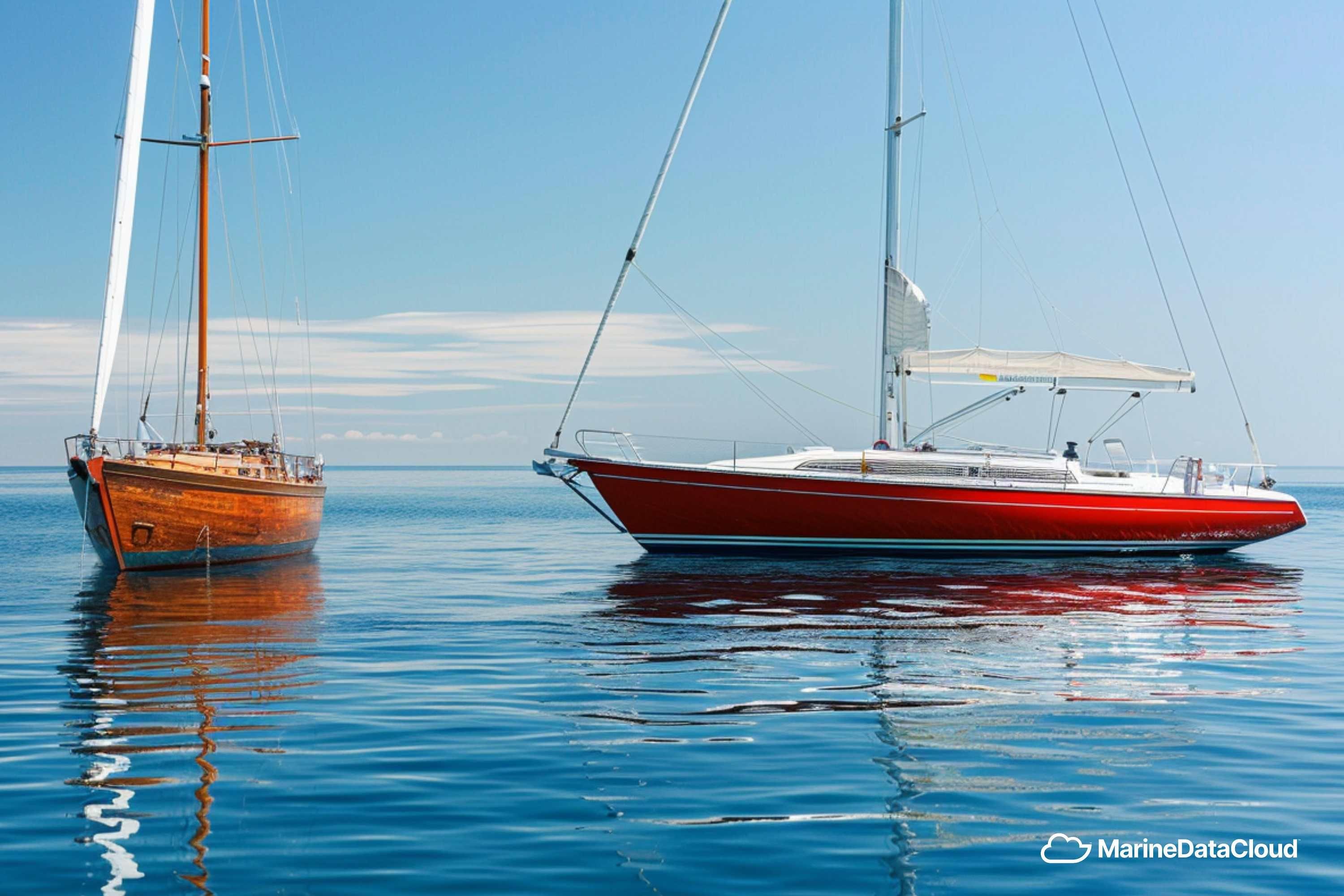
Sailing represents one of humanity's oldest adventures, combining ancient techniques with modern innovation. For centuries, humans have harnessed the wind's power to traverse oceans and lakes alike. Today, sailing has evolved from necessity to pleasure, offering a unique recreational experience that connects participants with nautical traditions while providing modern-day adventure.
The Upsides: Why Sailing Captivates So Many
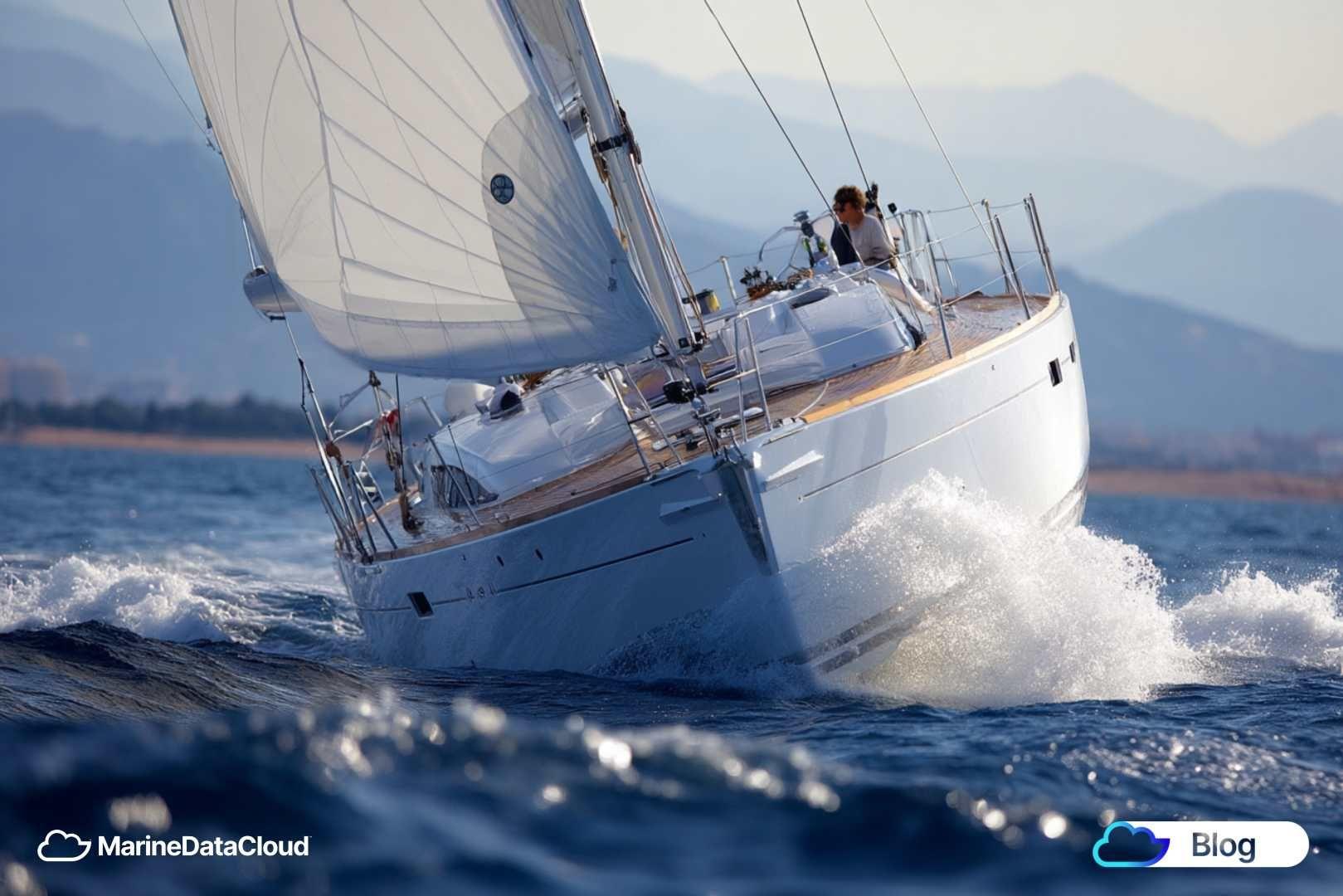
Sailing offers unparalleled freedom on the water. Unlike motorised vessels, sailboats harness natural wind power, creating a harmonious relationship with the environment. This connection with nature provides sailors with tranquil moments watching sunsets from secluded anchorages and exhilarating experiences riding alongside dolphins and marine wildlife.
Beyond the sensory pleasures, sailing cultivates valuable skills. Mastering the art of navigation using charts, compasses, and modern GPS systems builds confidence and self-reliance. Sailing challenges both mind and body, requiring quick thinking during changing weather conditions while demanding physical stamina when trimming sails or managing lines.
The sailing community offers camaraderie rarely found elsewhere. From yacht clubs to maritime festivals, sailors share experiences, knowledge, and friendships that often last lifetimes. These connections create support networks for newcomers while preserving maritime traditions across generations.
The Challenges: Understanding Sailing's Demands
Sailing requires significant financial investment. Entry-level dinghies can cost £2,000-£5,000, while cruising yachts range from £20,000 to several million pounds. Beyond the vessel itself, sailors need appropriate safety equipment, navigation tools, mooring fees, insurance, and winter storage solutions.
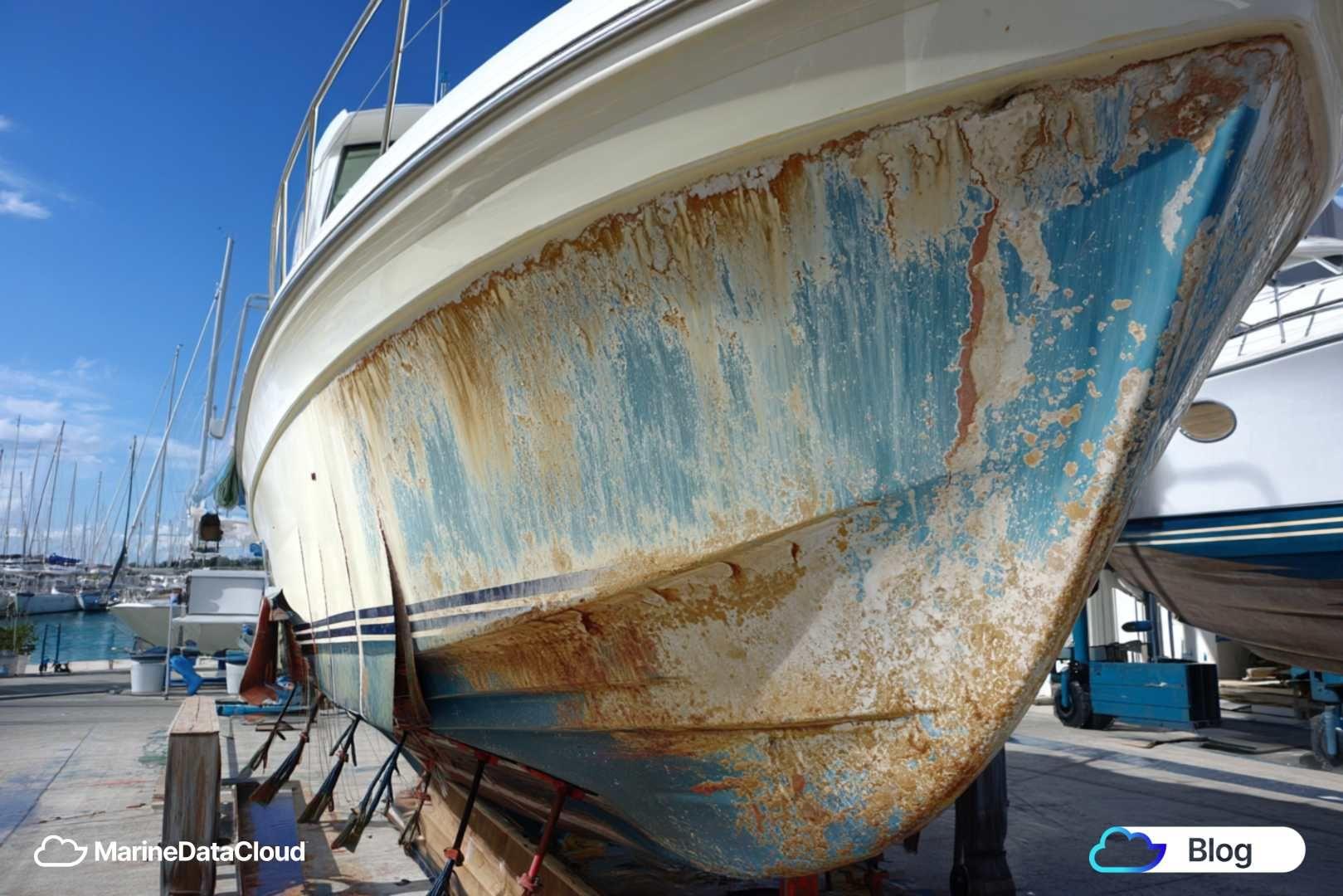
Time commitment represents another consideration. Sailing demands dedication beyond the actual time on water. Maintenance tasks like hull cleaning, varnishing, engine servicing, and sail repairs consume weekends. Even a day sail requires preparation time rigging the boat and stowing gear afterwards.
Weather dependency means cancelled plans and schedule flexibility. Unlike land-based hobbies, sailing requires appropriate wind conditions and safe forecasts. This unpredictability demands patience and adaptability from sailors, especially during Britain's changeable weather patterns.
Types of Sailing: Finding Your Maritime Niche
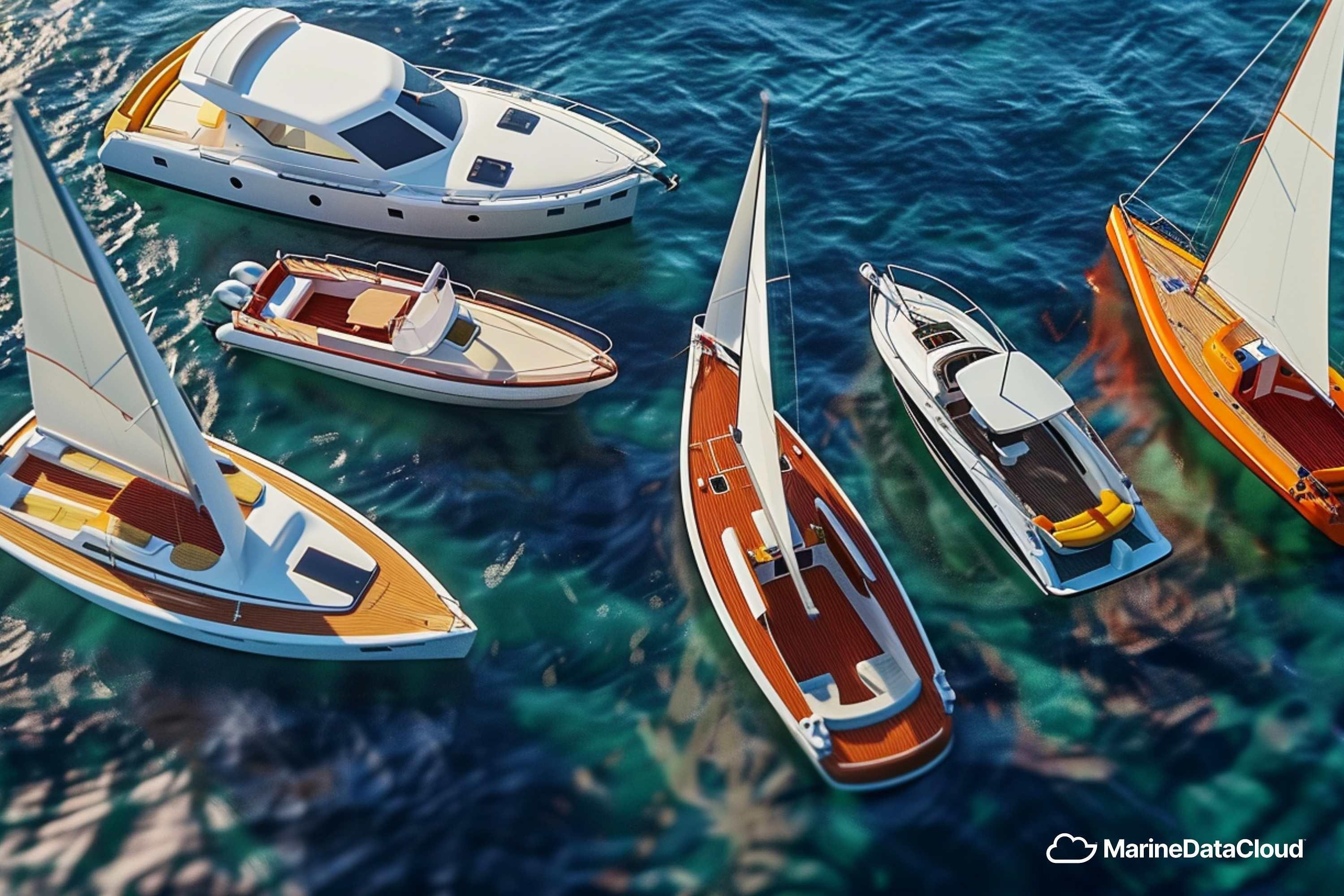
Day Sailing: Perfect for beginners, day sailing involves shorter excursions on protected waters. Typically using smaller vessels like dinghies or day sailers, these adventures last hours rather than days. Popular UK locations include the Solent, Norfolk Broads, and Lake Windermere, offering controlled environments for skill development without overnight challenges.
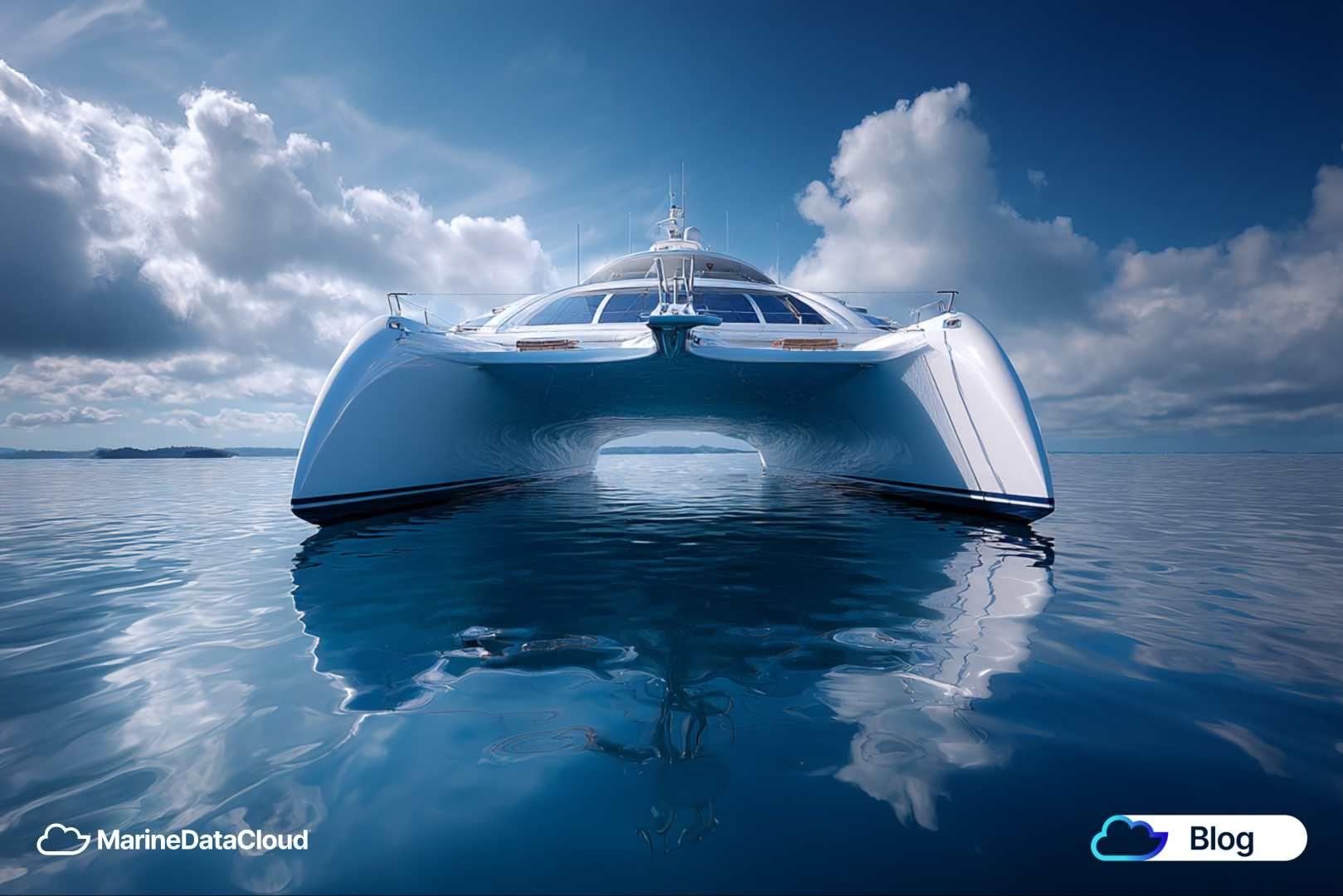
Cruising: For those seeking extended journeys, cruising combines sailing with travel. Cruising sailors live aboard vessels ranging from modest 25-footers to luxurious 50-foot yachts, exploring coastal areas and sometimes crossing oceans. The British coastline offers remarkable cruising grounds from Cornwall's picturesque harbours to Scotland's dramatic western isles.
Racing: Competitive sailors find their community in racing. From local club regattas to prestigious events like Cowes Week, racing hones precision sailing skills. Racing requires understanding complex rules, tactical thinking, and efficient teamwork. Many sailing clubs host weekly races, providing structured competition for varying skill levels.
Initial Investment: Understanding the Costs
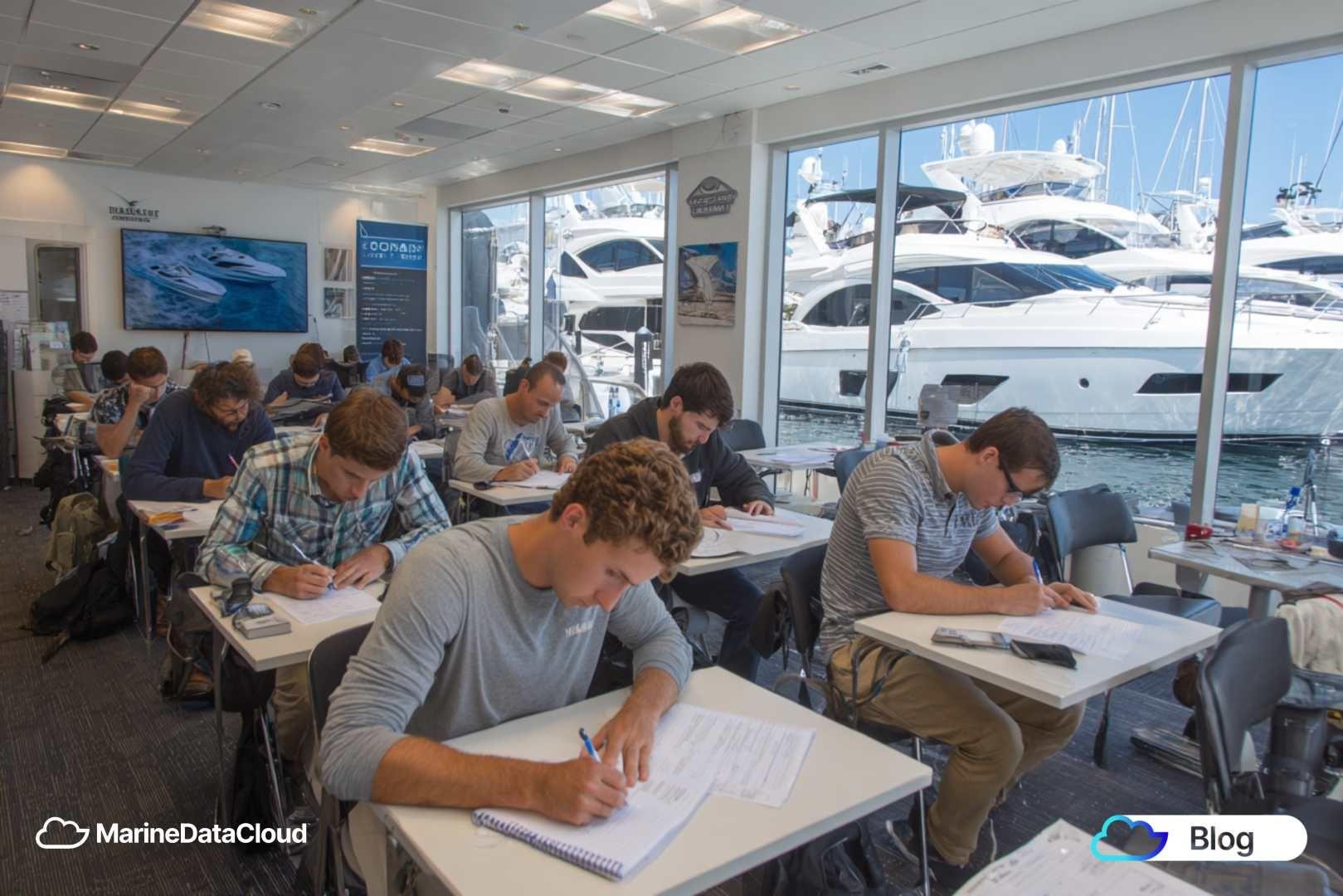
Starting costs vary dramatically based on your chosen sailing path. Complete beginners benefit from RYA courses (£400-£1,000) before committing to boat ownership. Boat sharing schemes and club memberships (£200-£1,000 annually) offer alternatives to immediate purchase.
Equipment needs extend beyond the boat itself. Safety gear including lifejackets, harnesses, and communication devices form essential investments. Navigation equipment, weather forecasting tools, and appropriate clothing add to initial expenses.
The time investment includes learning through formal courses, practice sessions, and maintenance hours. New sailors should expect a gradual learning curve requiring months of regular practice before achieving true independence on the water.
Summary: Is Sailing Right for You?
Sailing offers extraordinary rewards for those willing to invest time, money and effort. This ancient art provides modern enthusiasts with adventure, skill development, and community connection. While challenges exist in financial commitment and learning curves, few hobbies match sailing's combination of physical activity, mental challenge, and natural beauty.
Consider beginning with instruction courses, joining local sailing clubs, or participating in experience days before committing to boat ownership. Understand your motivations—whether adventure, competition, or peaceful communion with nature—to determine which sailing path matches your aspirations.
For those who embrace the journey, sailing offers lifelong learning and unforgettable experiences on the water's ever-changing canvas.