From Crew to Captain: 7 Skills to Practice Before Your First Solo Sail
From Crew to Captain: 7 Skills to Practice Before Your First Solo Sail
Transitioning from crew member to captain represents one of sailing's most significant milestones. This leap from passenger to commander requires mastering essential seamanship skills that ensure both safety and confidence on the water. Every accomplished sailor remembers their first solo voyage – that pivotal moment when they cast off the dock lines and truly became master of their vessel.
1. Docking Manoeuvres Under Various Conditions
Mastering docking techniques across different weather conditions and marina layouts forms the cornerstone of independent sailing. Practice approaching berths from multiple angles, accounting for wind direction, current flow, and space constraints. Understanding your vessel's turning radius, prop walk characteristics, and momentum behaviour proves crucial when manoeuvring in tight quarters.
2. Anchoring Systems and Ground Tackle Management
Proper anchoring technique encompasses more than simply dropping the hook overboard. Learn to assess seabed composition, calculate appropriate scope ratios (typically 7:1 for all-chain rode), and set the anchor correctly. Understanding how different anchor types – CQR, Danforth, or Bruce – perform in various bottom conditions ensures reliable holding power when you're sleeping aboard or weathering rough conditions.
3. Man Overboard Recovery Procedures
Practising MOB drills using training buoys develops muscle memory for emergency situations. Master the figure-eight approach, Williamson turn, and quick-stop methods. Understanding how to deploy throwable flotation devices, establish communication protocols, and execute safe recovery procedures could prove lifesaving during your sailing career.
4. Weather Assessment and Route Planning
Developing meteorological awareness involves interpreting barometric pressure trends, cloud formations, and wind patterns. Learn to read marine weather forecasts, understand synoptic charts, and recognise approaching weather systems. Plotting courses that account for tidal streams, shallow water, and potential shelter points demonstrates prudent seamanship.
5. Sail Trim and Performance Optimisation
Understanding how sail shape affects boat performance across different wind conditions transforms sailing from mere transportation to artful navigation. Practice adjusting halyard tension, outhaul settings, and cunningham controls to optimise sail efficiency. Learning to read telltales, monitor boat speed, and adjust sail trim accordingly maximises your vessel's potential.
6. Navigation and Pilotage Skills
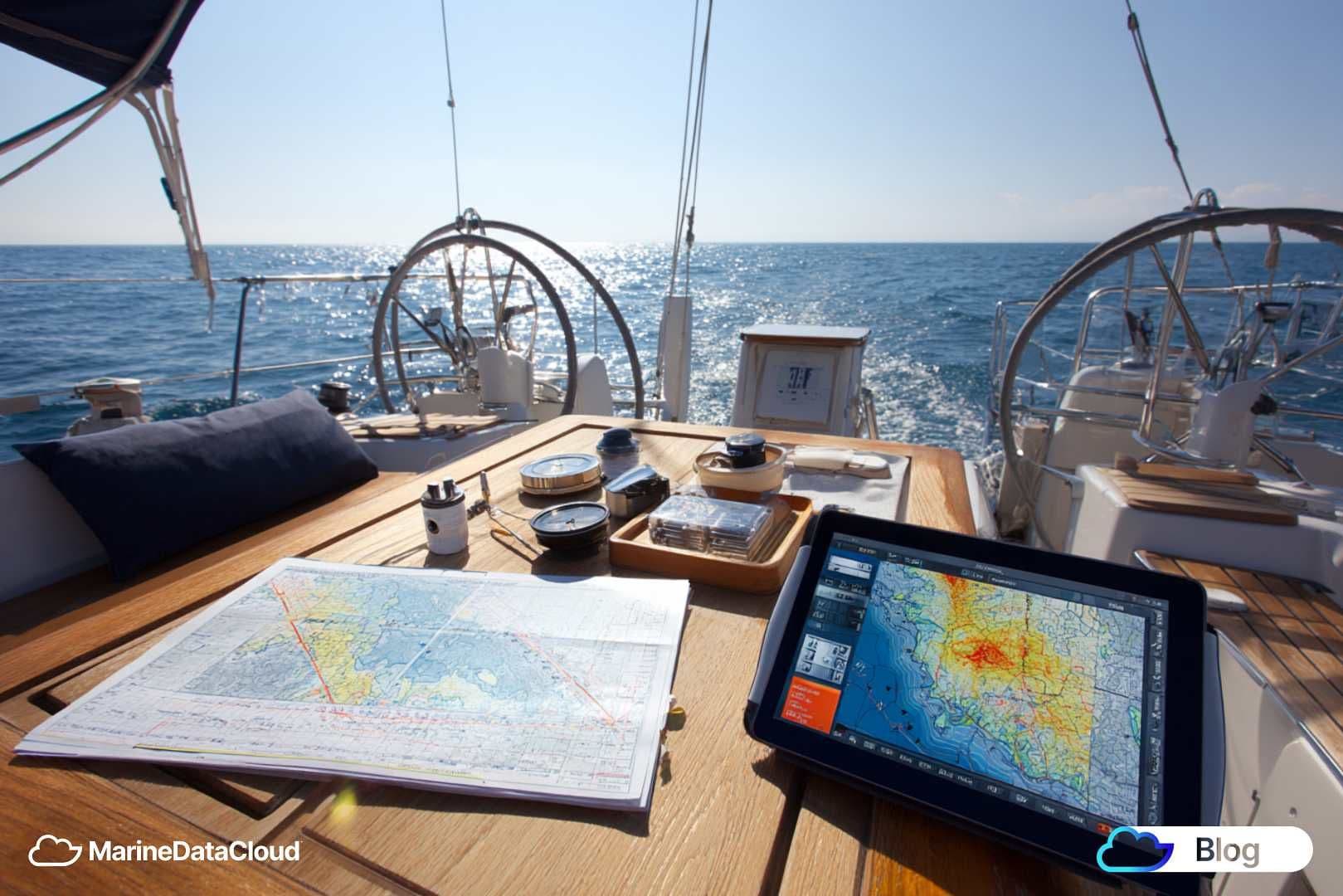
Competent navigation combines traditional chart work with modern electronic systems. Master compass bearings, dead reckoning techniques, and GPS waypoint navigation. Understanding how to plot fixes using visual bearings, identify navigation marks, and maintain accurate logbook records ensures safe passage-making.
7. Emergency Preparedness and Problem-Solving
Developing contingency plans for equipment failures, medical emergencies, and severe weather demonstrates mature seamanship. Practice emergency steering techniques, jury-rig procedures, and radio communication protocols. Understanding when to seek assistance versus pressing on independently reflects sound maritime judgement.
Summary
Successfully transitioning from crew to captain requires dedicated practice of fundamental sailing skills. Master docking techniques across various conditions, develop proficient anchoring procedures, and maintain sharp MOB recovery skills using training buoys. Cultivate weather awareness, optimise sail performance, enhance navigation abilities, and prepare for emergency scenarios. These seven core competencies provide the foundation for confident, safe solo sailing adventures. Remember that seamanship develops through consistent practice and gradually increasing challenges – each voyage offers opportunities to refine these essential skills further.