Decoding the Sailboat: A Simple Guide to a Boat's Anatomy

Decoding the Sailboat: A Simple Guide to a Boat's Anatomy
Understanding a sailboat's anatomy is fundamental for any mariner looking to master the art of sailing. Whether you're a novice sailor or an experienced seafarer seeking to brush up on technical terminology, grasping the essential components of these magnificent vessels will enhance your maritime adventures and safety on the water.
The Hull: Your Vessel's Foundation
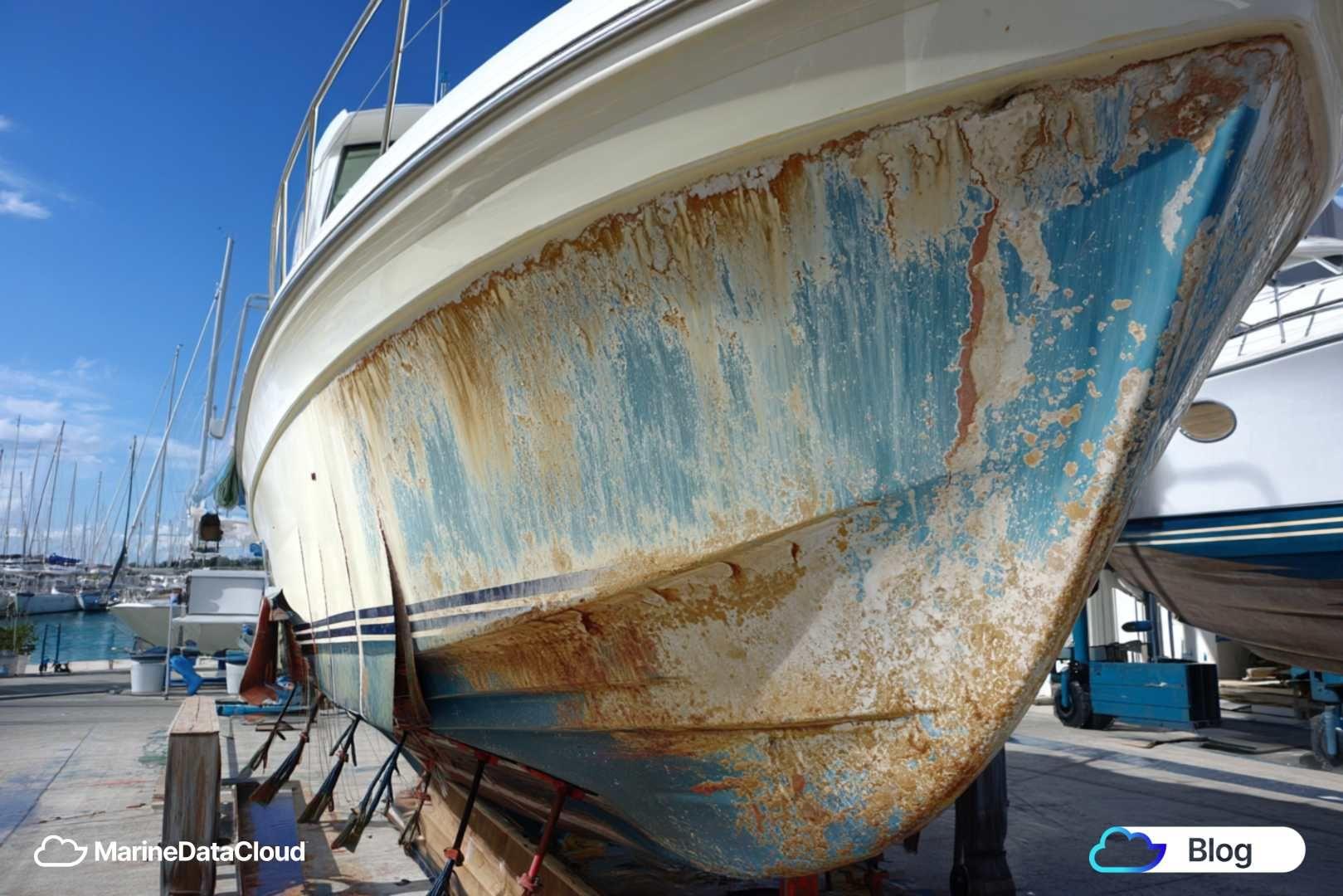
The hull forms the watertight body of your sailboat, serving as the primary structure that provides buoyancy and stability. This essential component determines your vessel's seaworthiness and performance characteristics. Modern hulls are constructed from various materials including fibreglass, aluminium, steel, or traditional timber, each offering distinct advantages in terms of durability, weight, and maintenance requirements.
The hull's shape significantly influences sailing performance - from deep-V configurations that slice through choppy waters to displacement hulls designed for comfortable cruising. Understanding your hull's characteristics helps you appreciate how your vessel responds to different sea conditions and sailing angles.
The Keel: Your Underwater Ally
Attached to the hull's bottom, the keel prevents lateral drift and provides essential stability. This underwater appendage works as a counterbalance to your sails' forces, allowing your vessel to sail efficiently to windward rather than simply being pushed sideways through the water.
Various keel designs serve different purposes: full keels offer excellent tracking and protection for your rudder, whilst fin keels provide superior manoeuvrability and performance. Some vessels feature centreboard or daggerboard systems, offering shallow-water versatility for coastal cruising and launching from beaches.
Steering Systems: The Rudder
Your rudder serves as the primary steering mechanism, typically mounted at the stern and controlled via a tiller or wheel. This vital component redirects water flow to change your vessel's heading, working in conjunction with your sails to provide precise navigation control.
Modern rudders come in various configurations: transom-hung rudders offer simplicity and easy maintenance, whilst skeg-mounted or spade rudders provide enhanced performance characteristics. Understanding your rudder's limitations and optimal operating angles ensures safe and efficient boat handling.
The Mast: Your Vessel's Backbone
The mast stands as a vertical spar supporting your sailing rig. This crucial component must withstand enormous loads from wind forces whilst maintaining the precise sail shape necessary for optimal performance. Modern masts are typically constructed from aluminium or carbon fibre, offering excellent strength-to-weight ratios.
Mast configurations vary significantly: single-masted sloops offer simplicity and efficiency, whilst multi-masted rigs provide power distribution and sail handling advantages. Your mast's height and design directly influence your vessel's sailing characteristics and harbour limitations.
The Boom: Horizontal Control
The boom extends horizontally from your mast, controlling your mainsail's foot and shape. This essential component allows precise sail trimming whilst providing mechanical advantage for sail handling operations.
Safety around the boom is paramount - its powerful sweep across the cockpit during tacking or gybing manoeuvres can cause serious injury. Modern boom designs incorporate vang systems and preventers to control movement and enhance sailing efficiency.
Sail Systems: Harnessing Wind Power
Your sails convert wind energy into forward motion, representing the heart of your sailing system. The mainsail, attached to both mast and boom, provides your primary driving force, whilst headsails (jibs and genoas) enhance performance and balance.
Understanding sail trim fundamentals - including proper sheet tension, traveller position, and sail shape control - transforms your sailing experience from basic transportation to refined seamanship. Modern sail materials and designs offer remarkable durability and performance across varying wind conditions.
Summary
Mastering sailboat anatomy provides the foundation for safe and enjoyable sailing adventures. The hull offers your vessel's structural integrity and buoyancy, whilst the keel provides stability and prevents lateral drift. Your rudder enables precise steering control, working alongside the towering mast that supports your entire sailing rig.
The boom controls your mainsail's shape and power, whilst your sails themselves harness nature's forces for propulsion. Each component works in harmony with others, creating a sophisticated system that has transported mariners across oceans for centuries.
Understanding these fundamental elements empowers you to make informed decisions about vessel selection, maintenance priorities, and sailing techniques. Whether navigating coastal waters or planning offshore passages, this anatomical knowledge forms the cornerstone of seamanship excellence.