Choosing Your First Sailboat: A Guide to Buying New vs. Used
Setting Your Course: Understanding the Sailboat Market
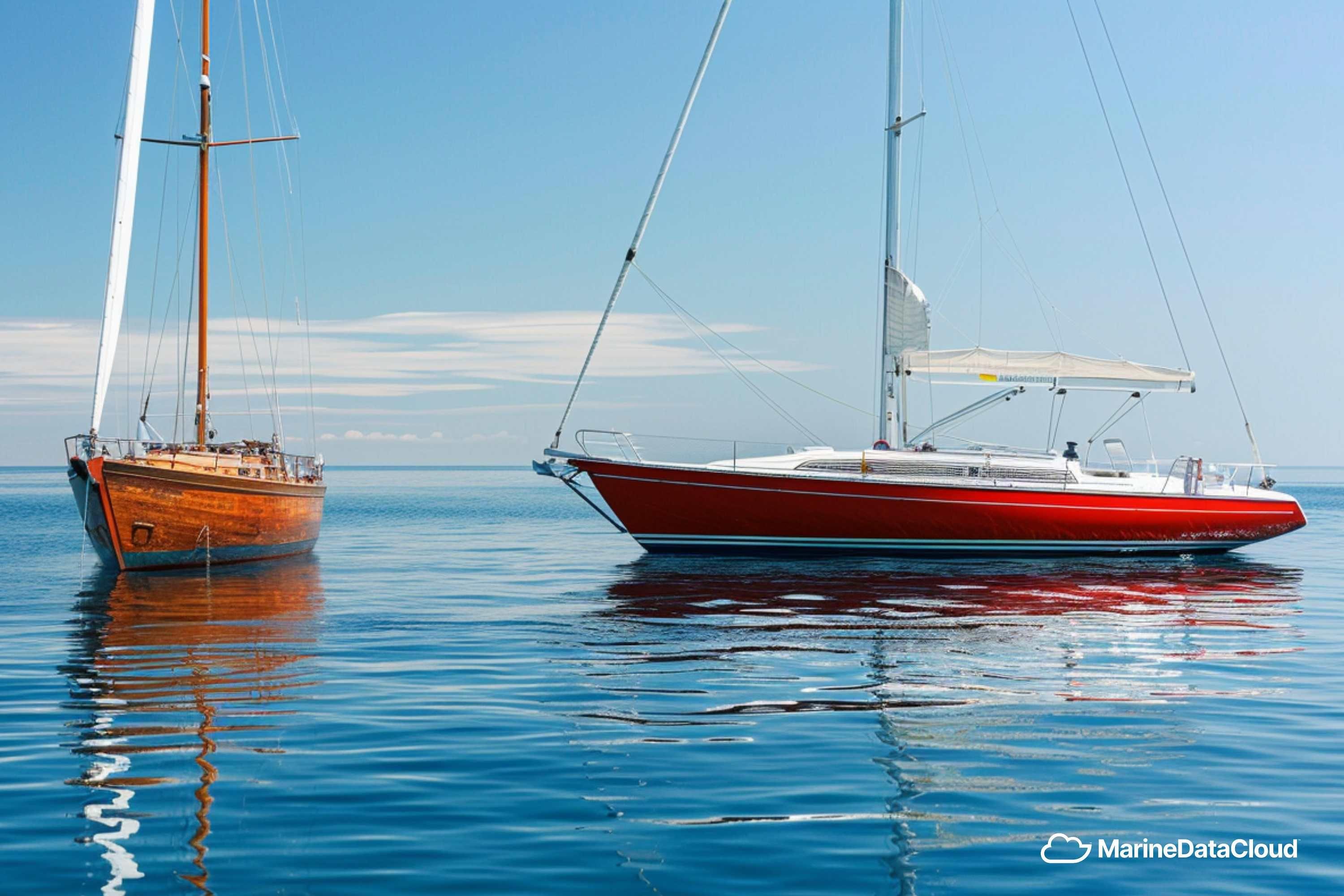
Embarking on your sailing journey begins with one crucial decision: selecting the right vessel. The sailboat market in 2023-2024 presents interesting opportunities for first-time buyers, with used boat listings increasing by approximately 20% compared to previous years. It's becoming more of a buyer's market, with many sellers accepting offers at 80-90% of list price.
When considering your purchase, it's essential to understand that new and used boats offer distinctly different advantages. While new boats provide the latest technology and warranty protection, pre-owned vessels often deliver exceptional value for money. According to recent market analyses, used boats are typically priced based on accumulated depreciation, allowing you to avoid a significant amount of initial value loss.
Navigating Budget Considerations: Financial Aspects of Boat Ownership
Before hoisting your sails, you'll need to establish a realistic budget. Boat ownership extends far beyond the initial purchase price. Consider these financial aspects:
New Sailboat Advantages:
- Warranty protection against unforeseen issues
- Latest technological advancements and design features
- Customization options to suit your preferences
- Higher initial cost but potentially lower immediate maintenance expenses
Used Sailboat Advantages:
- Substantially reduced price compared to newer counterparts
- Much of the value degradation has already occurred
- Better value retention in the coming years
- Often well-maintained by previous owners
Market forecasts suggest continued price increases for new boats through 2025, while the used boat market may see slight price reductions, making pre-owned vessels an increasingly attractive option for budget-conscious first-time sailors.
The Essential Inspection Checklist: What to Examine Before Purchase
Whether choosing new or used, a thorough inspection is vital. For first-time buyers, this process may seem daunting, but breaking it down into manageable sections can simplify your evaluation:
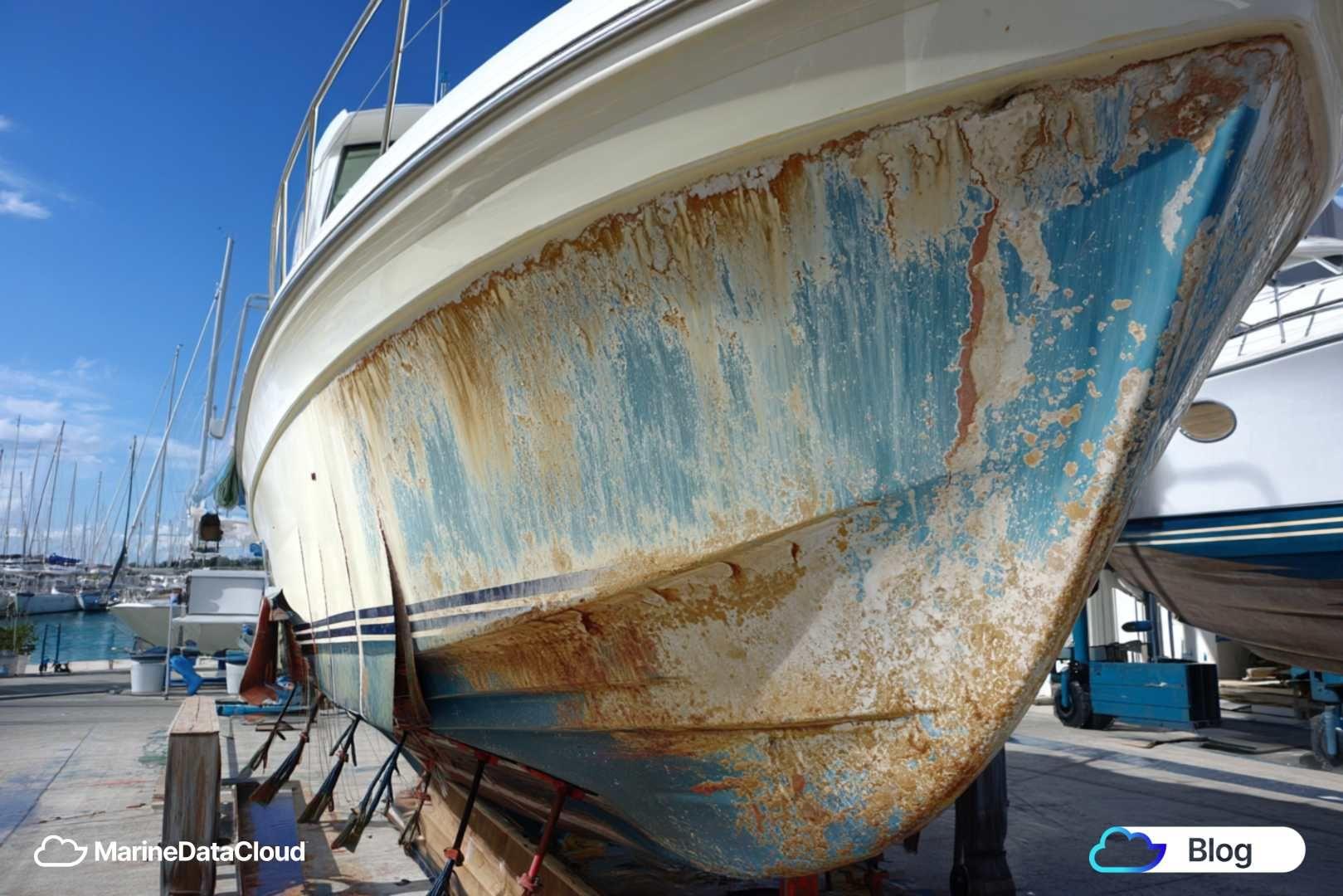
Hull and Structure Assessment:
- Inspect the keel for damage or signs of repair
- Look for stress cracks, especially around load-bearing areas
- Check for osmosis or blistering on fibreglass hulls
- Assess the rudder for play or damage
Rigging and Sails Examination:
- Inspect standing rigging for corrosion or damaged fittings
- Examine running rigging for wear or fraying
- Assess sail condition, looking for tears, UV damage, or stretching
- Test all winches and cleats for smooth operation
Engine and Systems Review:
- Test engine starting, running, and stopping
- Check for excessive smoke or unusual noises
- Inspect shaft alignment and seals
- Test all electronics, including navigation equipment
- Verify proper function of electrical systems
- Examine the bilge pump operation
When purchasing a used vessel, consider employing a professional marine surveyor for a comprehensive assessment, as they can identify issues that might escape an untrained eye.
Finding Your Perfect Size: Pros and Cons of Different Boat Dimensions
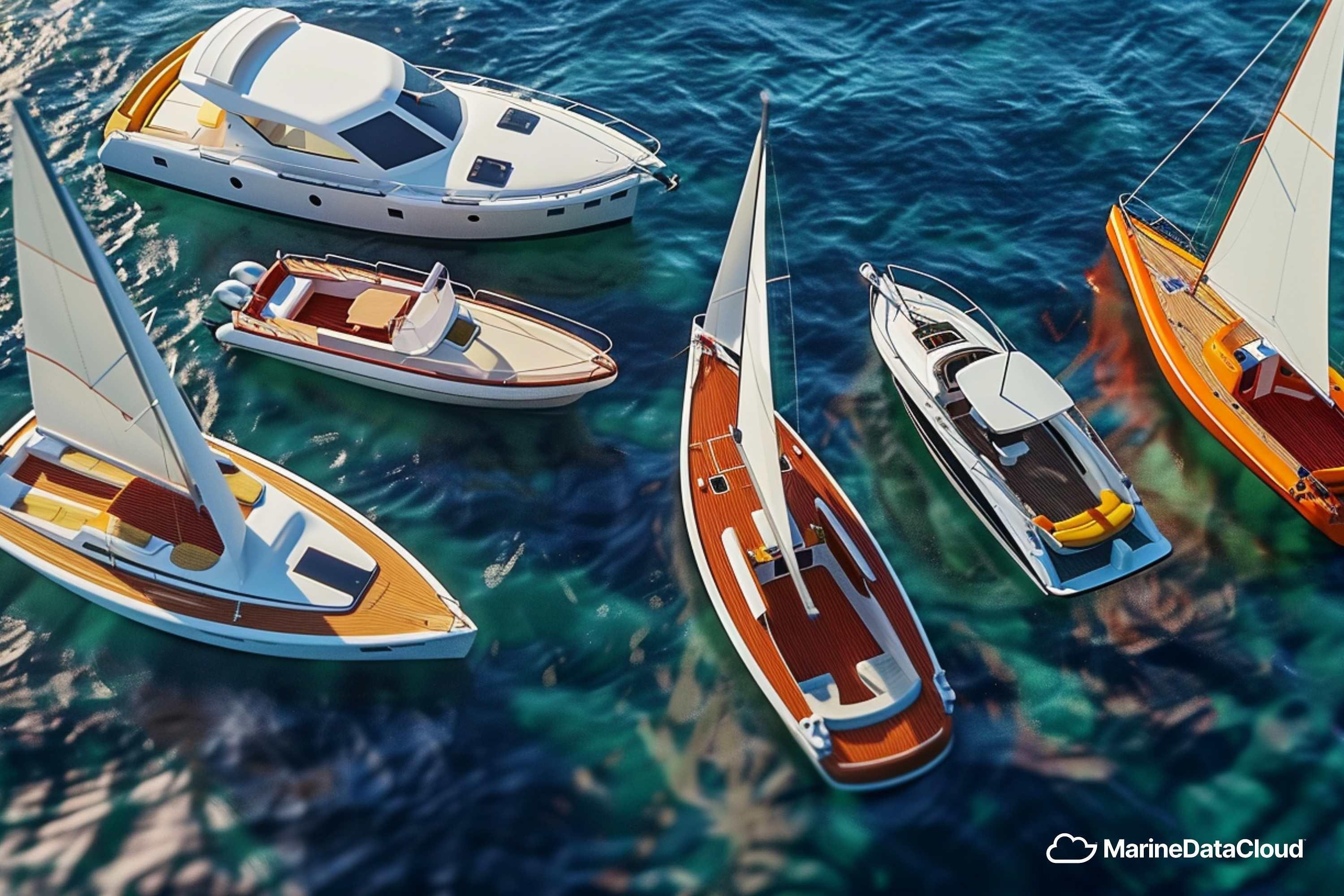
The size of your first sailboat significantly impacts your sailing experience. Generally, smaller boats are more manageable for beginners, while larger vessels offer greater comfort and capability.
Small Sailboats (16-26 feet):
Pros:
- Easier to handle and manoeuvre
- Lower purchase and maintenance costs
- Simpler systems to learn and understand
- Less intimidating for skill development
- Typically easier to trailer and store
Cons:
- Limited accommodation space
- Less comfortable in rough conditions
- Restricted cruising range
- Minimal amenities
Medium Sailboats (27-34 feet):
Pros:
- Good balance of handling ease and comfort
- Suitable for weekend cruising and longer trips
- Adequate living space for small crews
- Manageable by a couple or small family
- Reasonable maintenance costs
Cons:
- Higher initial purchase price
- More complex systems to maintain
- May require marina berth rather than trailering
- Increased operating expenses
Larger Sailboats (35+ feet):
Pros:
- Greater stability in challenging conditions
- Spacious accommodation for extended cruising
- Enhanced comfort for longer voyages
- Better suited for offshore passages
- More storage for provisions and equipment
Cons:
- Significantly higher purchase and maintenance costs
- More challenging to handle single-handed
- Steeper learning curve for novices
- Higher marina fees and operating expenses
- May require additional crew for safe operation
For beginners, a 22-24 foot sailboat often represents an ideal starting point, providing enough stability while remaining manageable for skill development.
Charting Your Course: Making the Final Decision
When making your final selection, consider your primary sailing goals. Will you be day sailing, weekend cruising, or planning longer voyages? Your intended use should guide your choice between new and used, as well as the optimal size for your needs.
Remember that your first boat is unlikely to be your last. Many experienced sailors recommend starting smaller and upgrading as your skills and requirements evolve. This approach allows you to develop crucial seamanship skills before managing larger, more complex vessels.
Summary: Key Points for First-Time Sailboat Buyers
- The current market favours buyers, with used boat prices offering excellent value
- New boats provide warranty protection and the latest technology, but at a premium price
- A comprehensive inspection is essential, especially for pre-owned vessels
- Smaller boats (22-24 feet) typically offer the best learning platform for beginners
- Consider your sailing goals when determining optimal size and features
- Budget beyond the purchase price for maintenance, storage, and operational costs
- Many experienced sailors recommend starting smaller and upgrading as skills develop